
Financial Services Presentation Design That Protects Your Deal's Credibility and Momentum
Financial presentations can influence whether a deal moves forward or loses investor interest. Poorly structured slides can weaken valuation arguments, cost teams valuable mandates, and reduce confidence in the boardroom. The Story Flo provides financial presentation design services for MDs, VPs, and Heads of IR who need clear, accurate decks for high-stakes decisions. We help finance teams present complex figures with clarity, even under SEC scrutiny and partner-level pressure.



Across Repeat Engagements









Six Deal Moments Where Slide Design Makes or Breaks the Outcome
Financial presentation design is not just about making slides look good. It solves specific visual communication problems at important stages of a deal, helping people understand the figures and make informed decisions.
The Origination Pitch Moment
A 200-page confidential information memorandum needs to become a clear 35-slide presentation. The challenge is to keep the CEO interested during a 90-minute meeting while showing key financial forecasts and business plans. Strong investment banking pitchbook design helps teams present their deal thesis, valuation, and growth potential in a way that separates mandate winners from also-rans, without losing the details investors need.
The LP Fundraising Moment
Investors need to understand fund returns before committing their money. IRR waterfalls, MOIC bridges, and returns from different fund years must be easy to check. Good private equity presentation design explains how profits are shared between investors and fund managers without making the calculations harder to follow.
The Earnings Call Moment
Quarterly results must be clear to people watching a live webcast and analysts asking detailed questions. The slides must also match the company's 8-K filing. Strong investor presentation design makes important figures easy to read while keeping the details needed by NYSE and NASDAQ investors.
The Research Publication Moment
Equity research reports include valuation charts, DCF tables, and comparisons with other companies. Each item must be easy to read on a Bloomberg terminal and in a printed PDF. Equity research presentation design also makes room for analyst certification details required under SEC Regulation AC.
The Offering Roadshow Moment
Roadshow slides must match the S-1 registration statement. This includes how funds will be used, company debt and equity, and the proposed share price range. Good capital markets presentation design keeps these details clear and consistent for underwriters presenting the offer to institutional investors.
The Board Reporting Moment
Board members need to understand changes in company finances without reading pages of figures. Income, cash flow, balance sheet, and business segment results must be easy to review. Financial report presentation design makes key changes clear while keeping the original figures accurate and in line with US GAAP.
How We Plug Into Your Deal Team's Existing Workflow
Secure Intake and Asset Collection
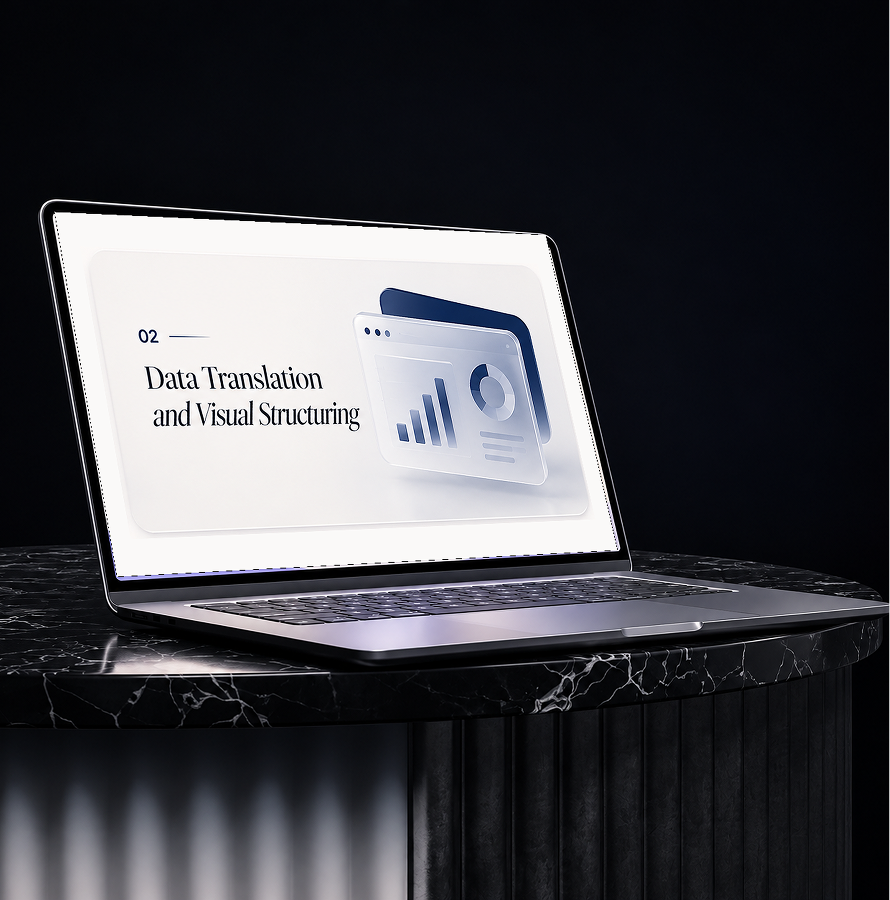
Data Translation and Visual Structuring
Collaborative Design Execution
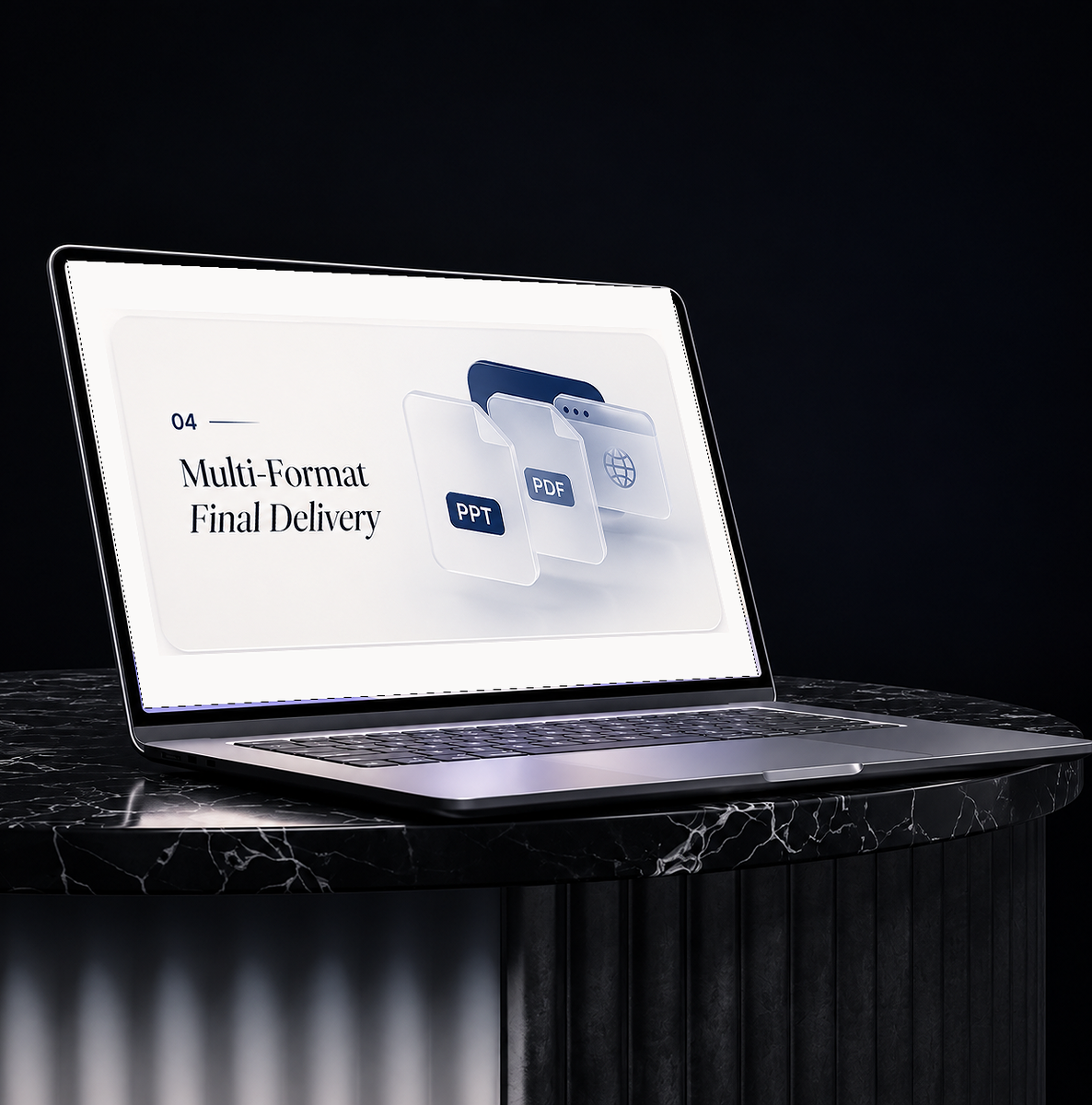
Multi-Format Final Delivery


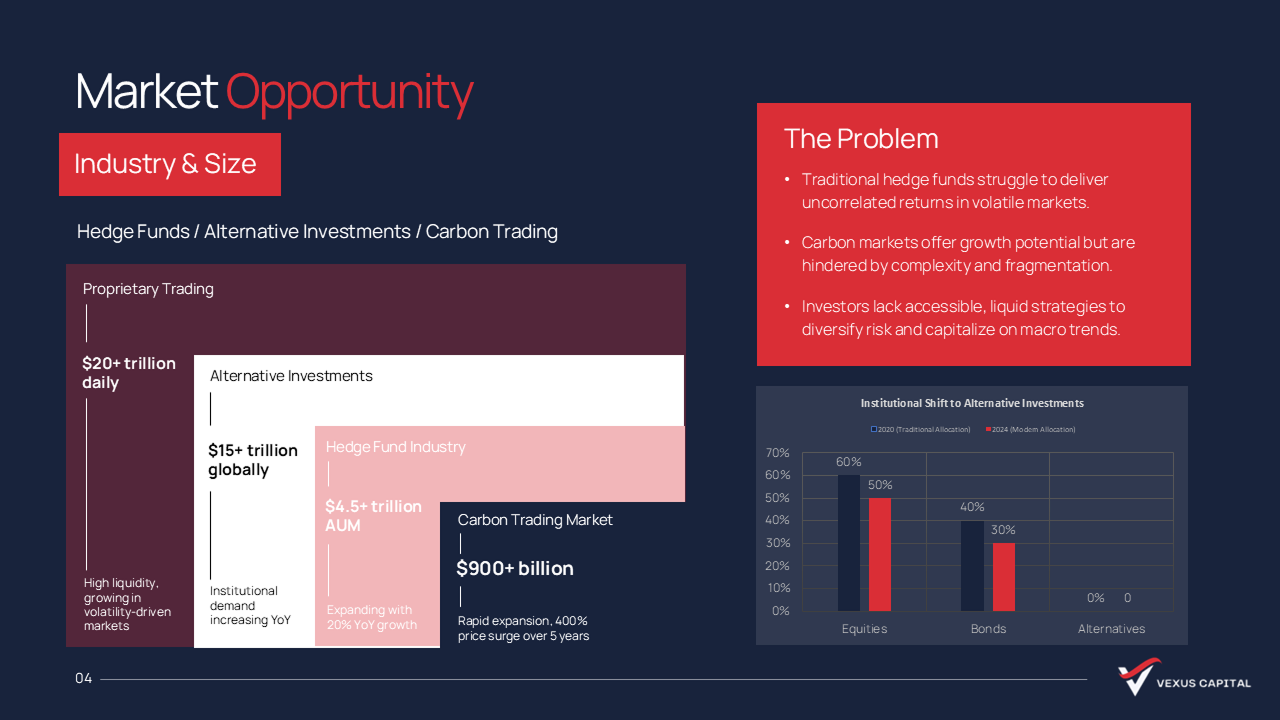
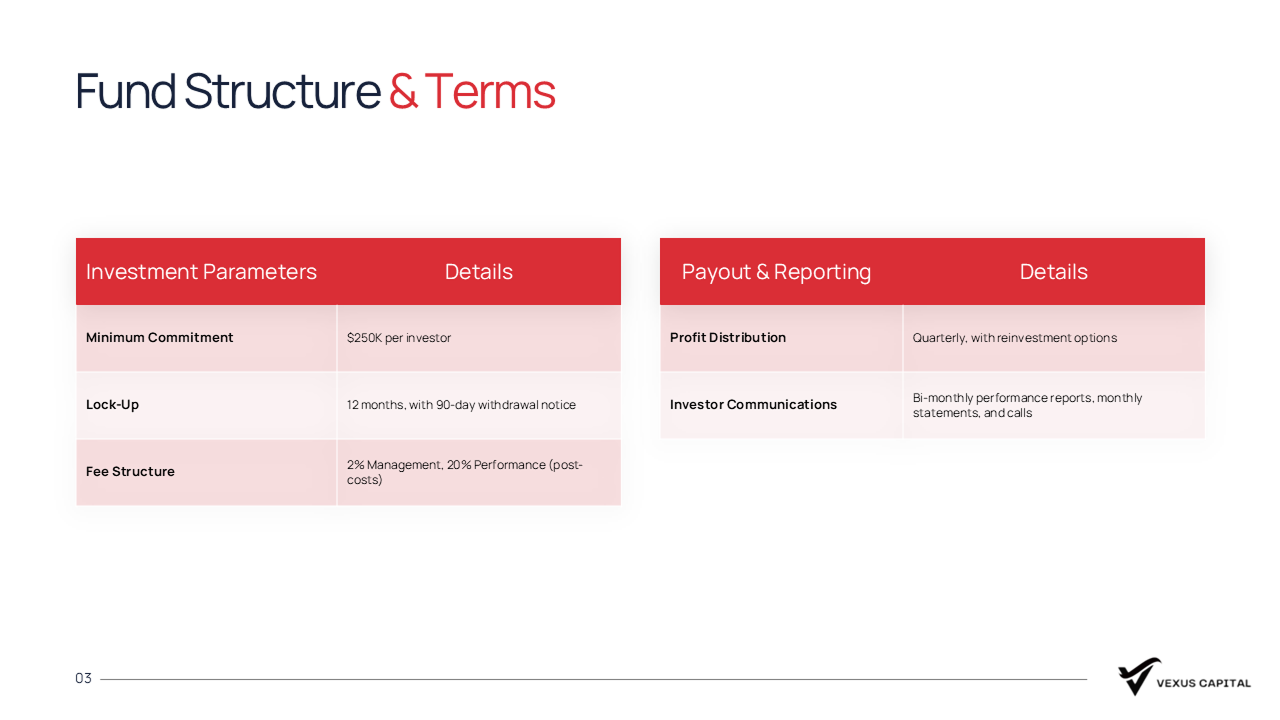
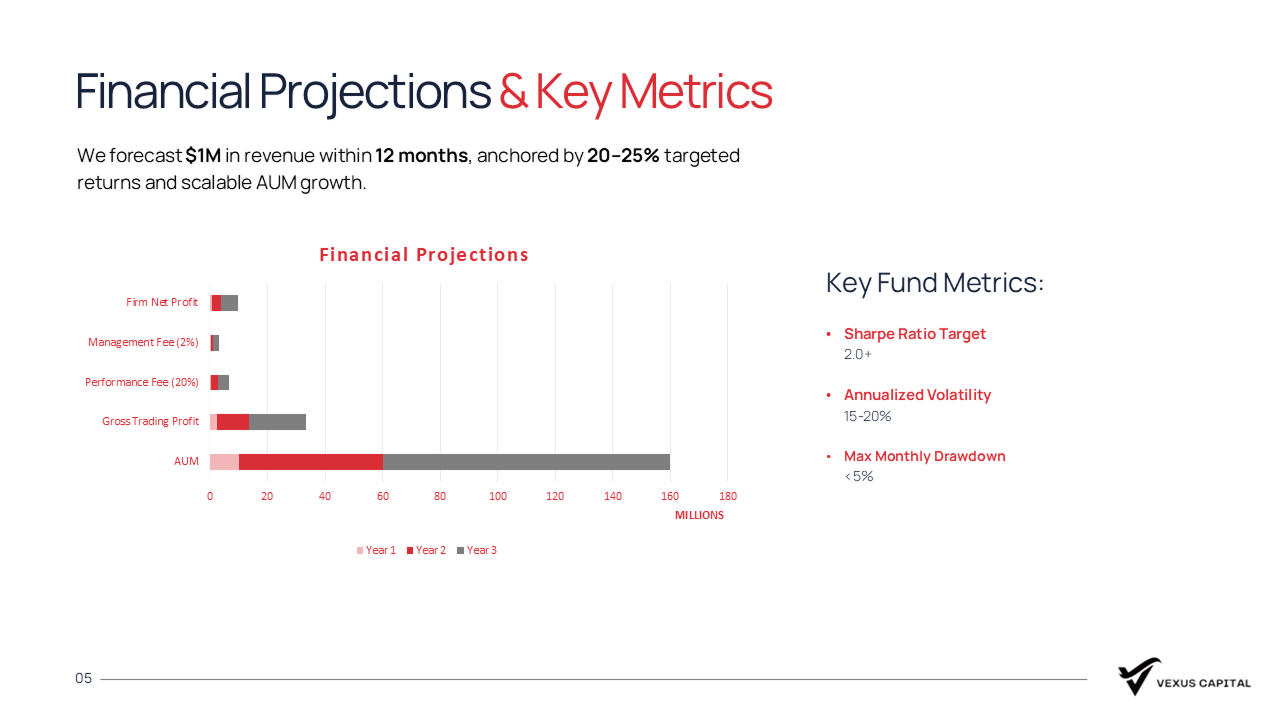
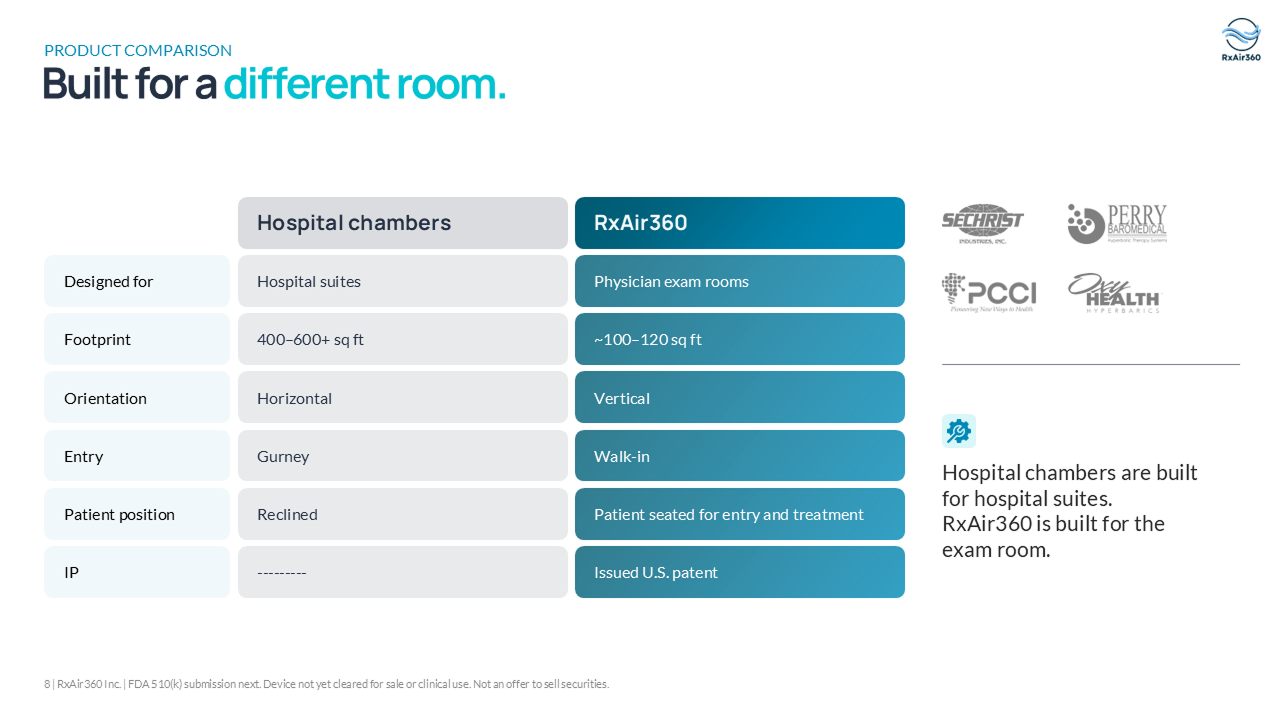
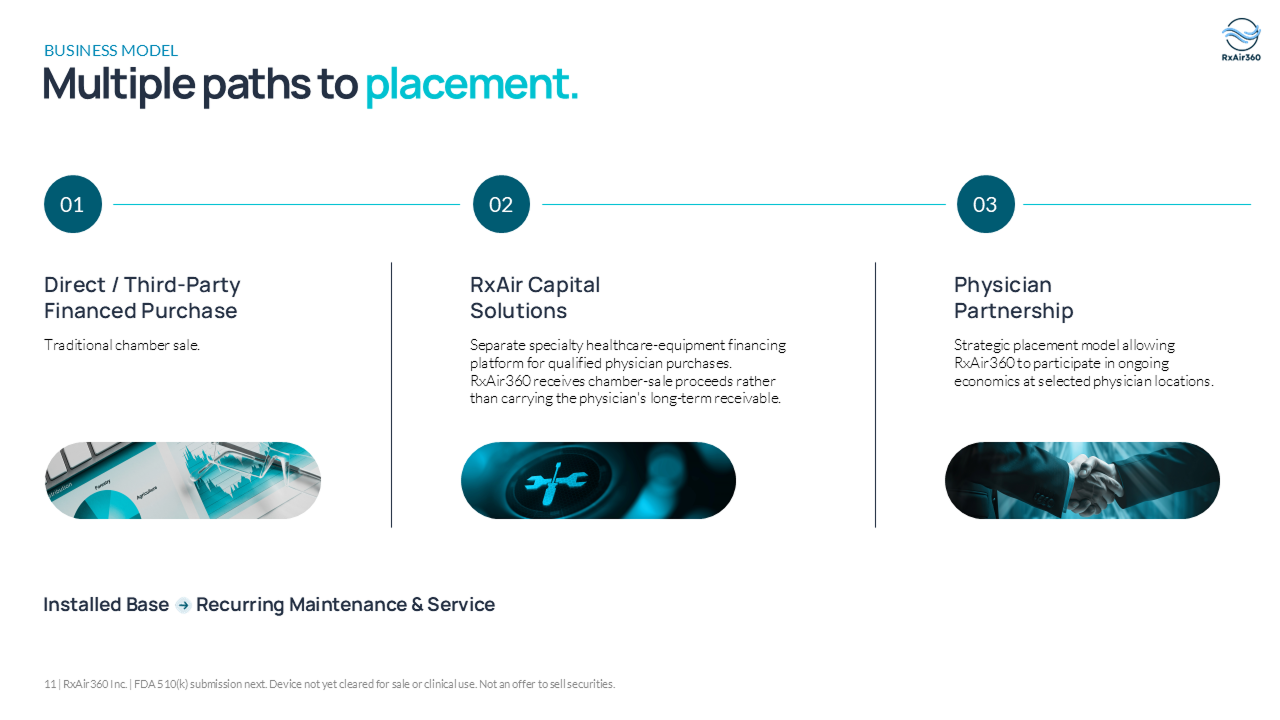
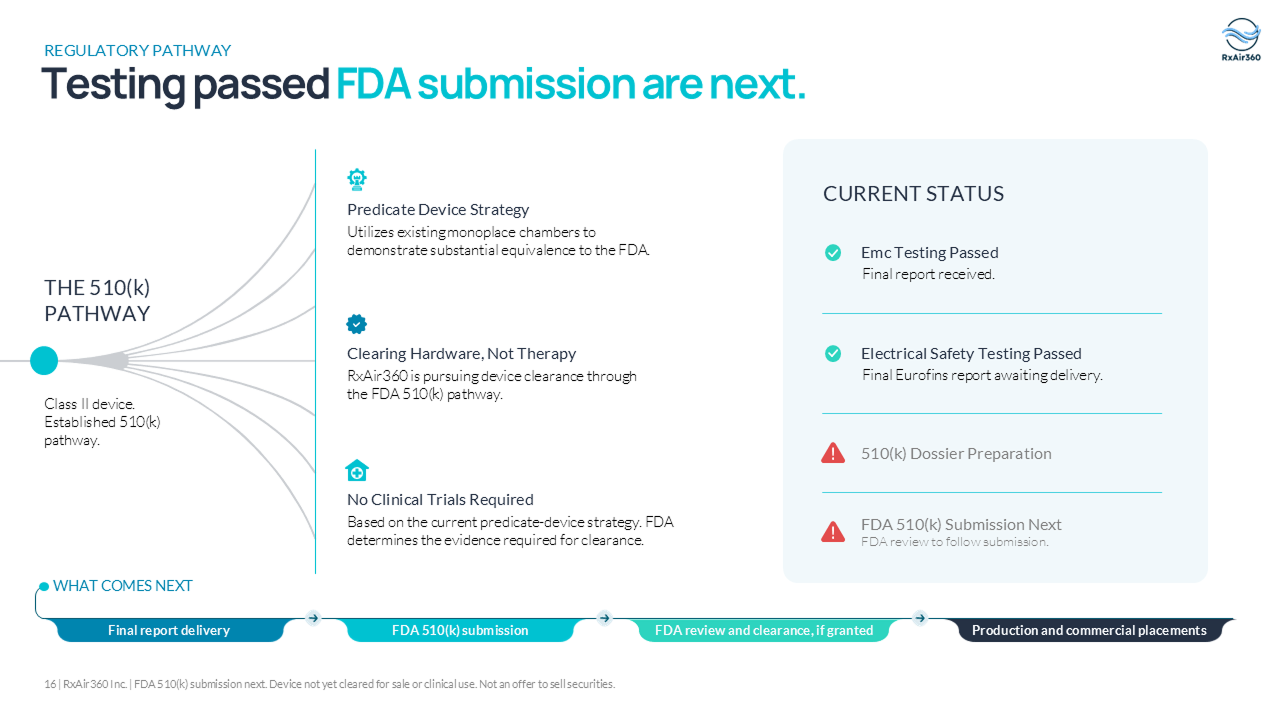
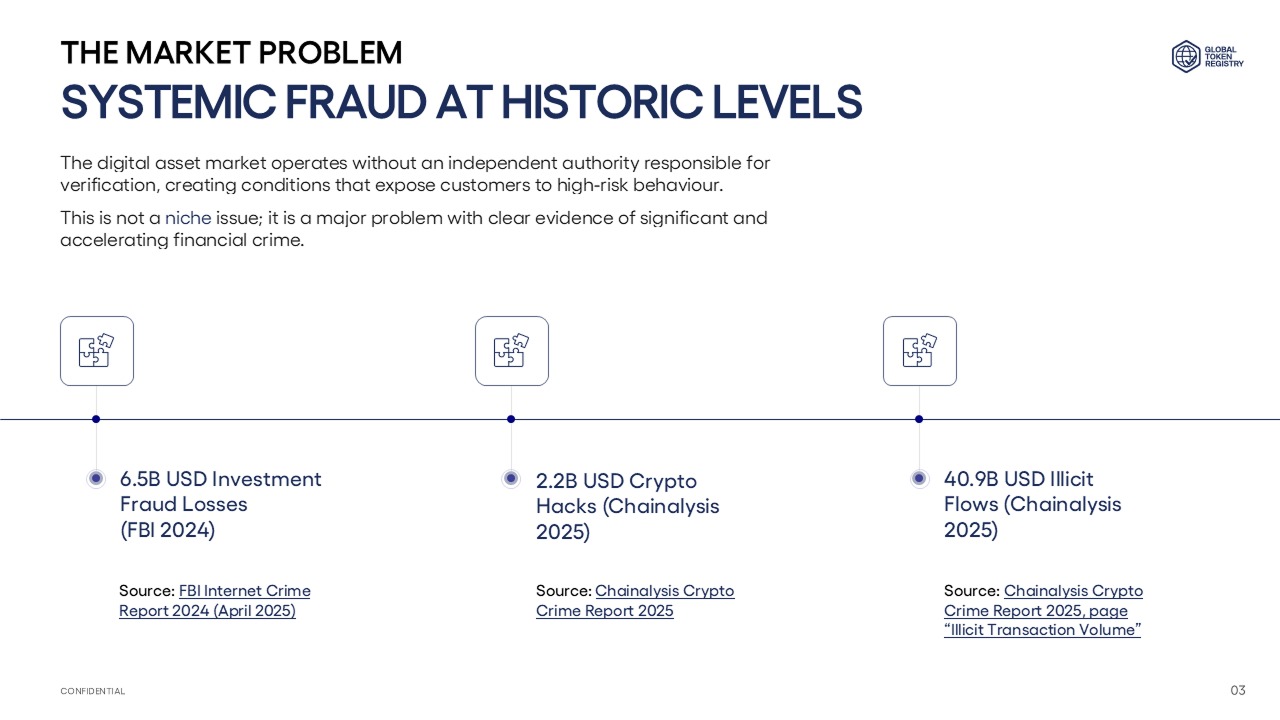
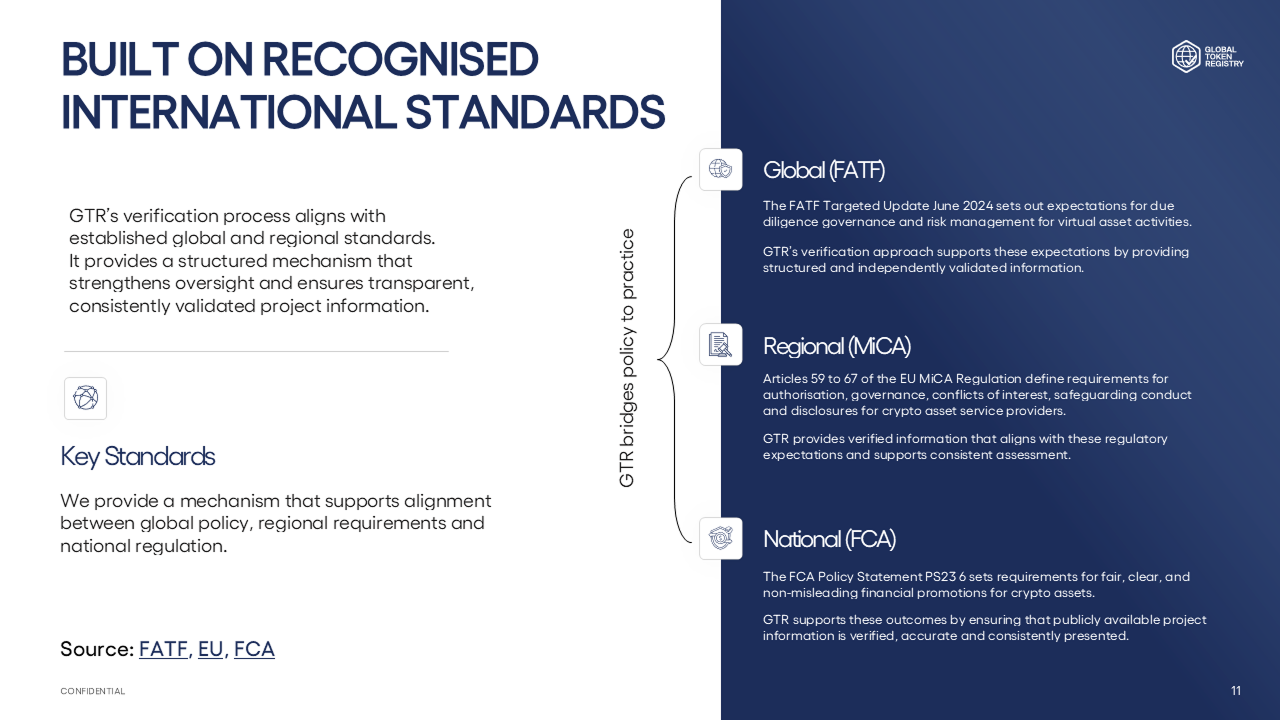
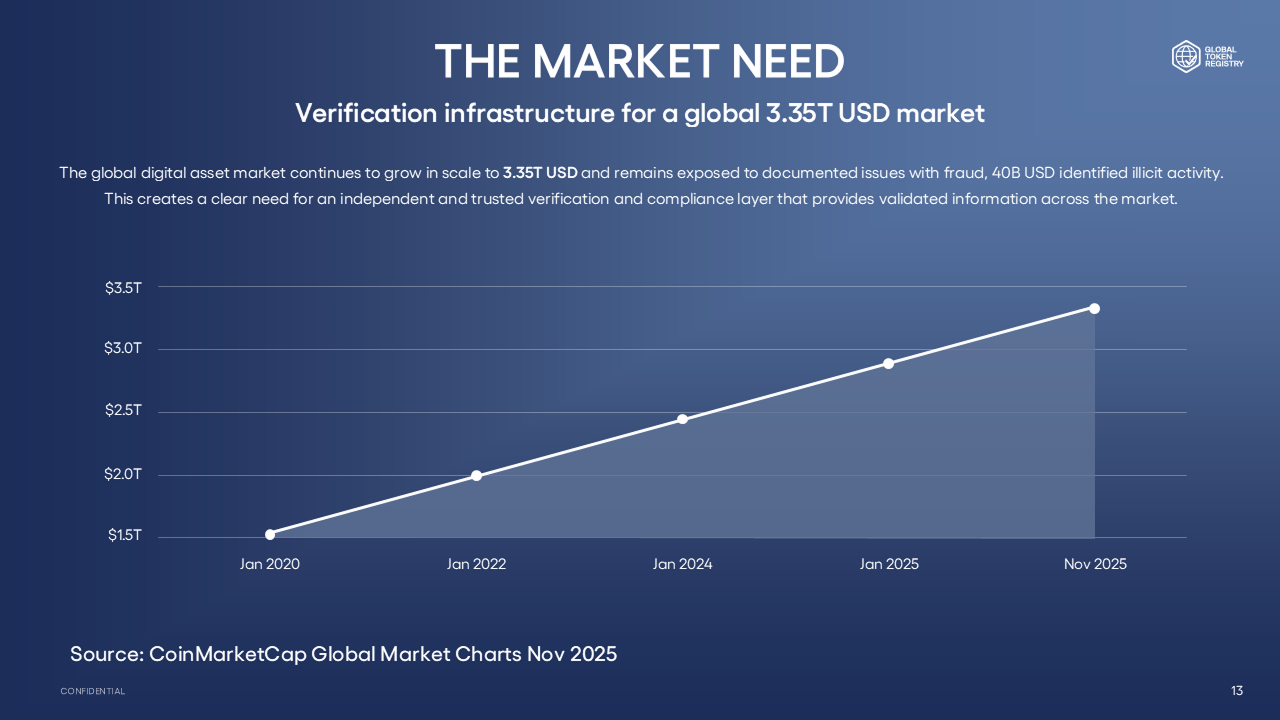
Recent Financial Decks We Have Designed



Start Your Next Financial Presentation Project Today
Have a deck in mind? Share your project details, and a senior financial presentation strategist will respond within two business hours during US Eastern Time with a clear cost estimate based on your needs. Your deal details will remain protected under an NDA from the moment you submit the form.
Tell Us About Your Deck
Share your deal type, deadline, and slide count. Your project details will remain private.
Deal Outcomes That Started With a Better Deck
These examples show how clear presentation design can affect important business decisions. Each result is measured by its impact on a deal, from winning a mandate to gaining investor support and reaching board agreement.

$3.2B Sell-Side Mandate Won Against Three Competing Banks
A US investment bank was competing for a $3.2 billion sell-side mandate in the industrials sector. Its original pitchbook had too many figures and lacked a clear story. We reorganized the valuation details and competitive points into an easier-to-follow presentation. The bank won the mandate against three rivals. The project took 36 hours from raw model to final deck, with M&A presentation design at its core.
NASDAQ Tech IPO Achieved 4x Oversubscription on Roadshow
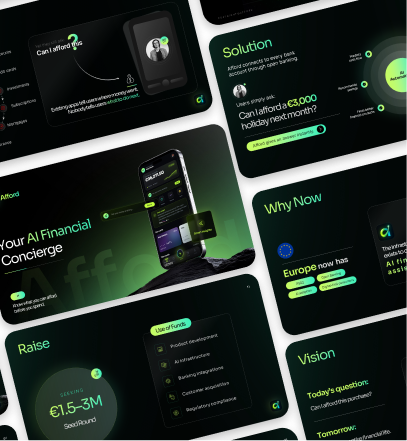
A US SaaS company was preparing for its NASDAQ IPO with a 72-slide roadshow deck. Different chart styles made its financial results hard to follow. We reduced the presentation to 38 slides and made its unit economics easier to understand. The roadshow received 4x oversubscription. Clear IPO roadshow presentation design helped investors follow the company's financial story.
Activist Defense Deck Secured Unanimous Board Alignment
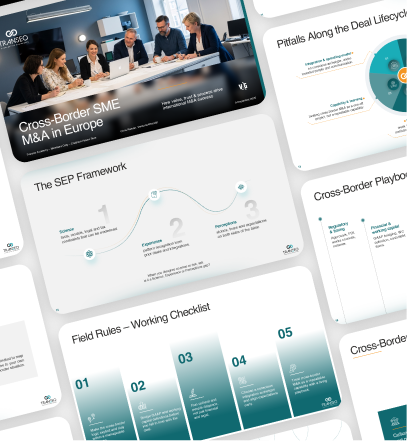
A Fortune 500 company faced an activist investor who wanted to split the business. Its 14 board members had different views on the proposal. We created a presentation showing the possible outcomes of each strategy and how each could affect company value. After a single 90-minute meeting, all 14 directors voted against the proposal. Financial strategy presentation design helped put the facts before the board.
What US Finance Teams Say About Working With Us
Working with The Story Flo means having a design team that understands the pressure of live financial work. These reviews share what clients experienced when handling changing requests, sharing files, and working with us across busy deal schedules. You can also view our portfolio to see examples of presentations created for different business needs.

We needed 15 versions of the same pitchbook for different buyers in one week. Keeping track of every change was a real concern. The team handled each version carefully, made the right updates, and kept all 15 decks free from errors.
I was surprised when the design team spotted a possible issue with a chart's axis before our legal team raised it. They understood why the figures needed careful handling. It was helpful to have another set of eyes looking at the details.
Sharing our financial models with an outside team made me nervous at first. The NDA, secure file transfer, and a single contact for our project made things much easier. I felt comfortable sharing our files within the first day.
After our rebrand, we had more than 200 old slides that needed updating. The team worked through the charts, tables, and footnotes one by one. They kept the new look consistent across the presentation without changing our existing filing formats.
Our team was working across New York, London, and Hong Kong during a cross-border deal. Keeping everyone on the same track was not easy. The team passed work between time zones smoothly, so progress continued even when one office had finished for the day.
Our investment strategies were difficult to explain to family office investors who did not work with statistical models. The team made our alpha charts and factor data easier to follow. This helped us explain how the strategies worked without asking investors to understand complex formulas first.
We needed 15 versions of the same pitchbook for different buyers in one week. Keeping track of every change was a real concern. The team handled each version carefully, made the right updates, and kept all 15 decks free from errors.
Financial Presentation Work Across US Industry Verticals
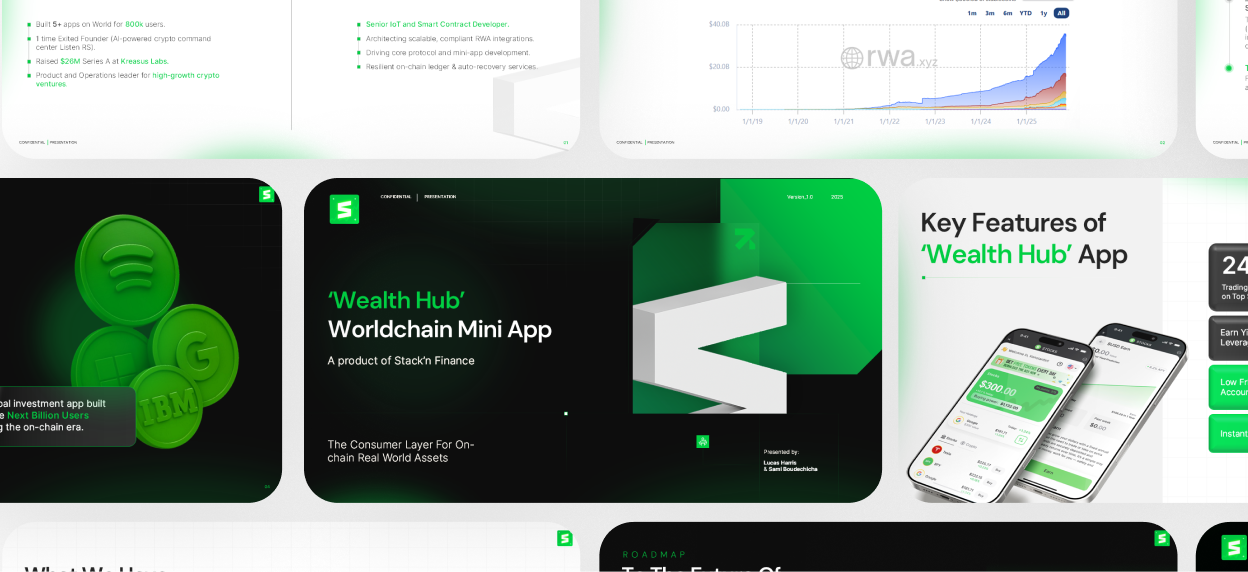
The gallery below shows work from different parts of the US financial industry. Each sector has its own rules, audience needs, and visual style. Understanding these differences helps specialist designers create relevant presentations rather than use the same approach for every client.
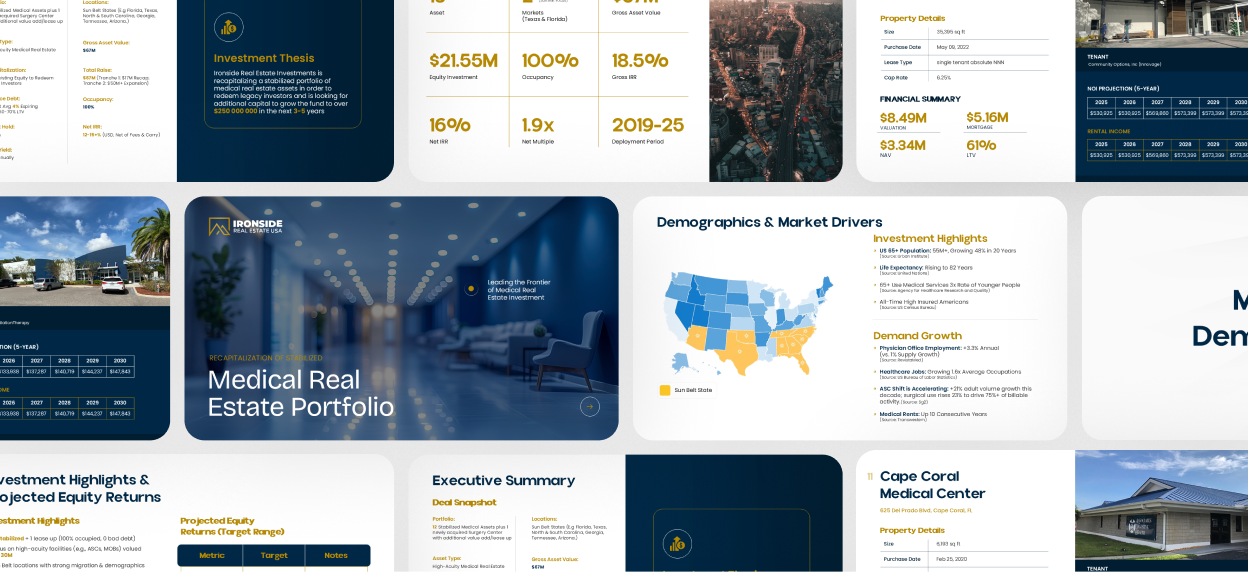
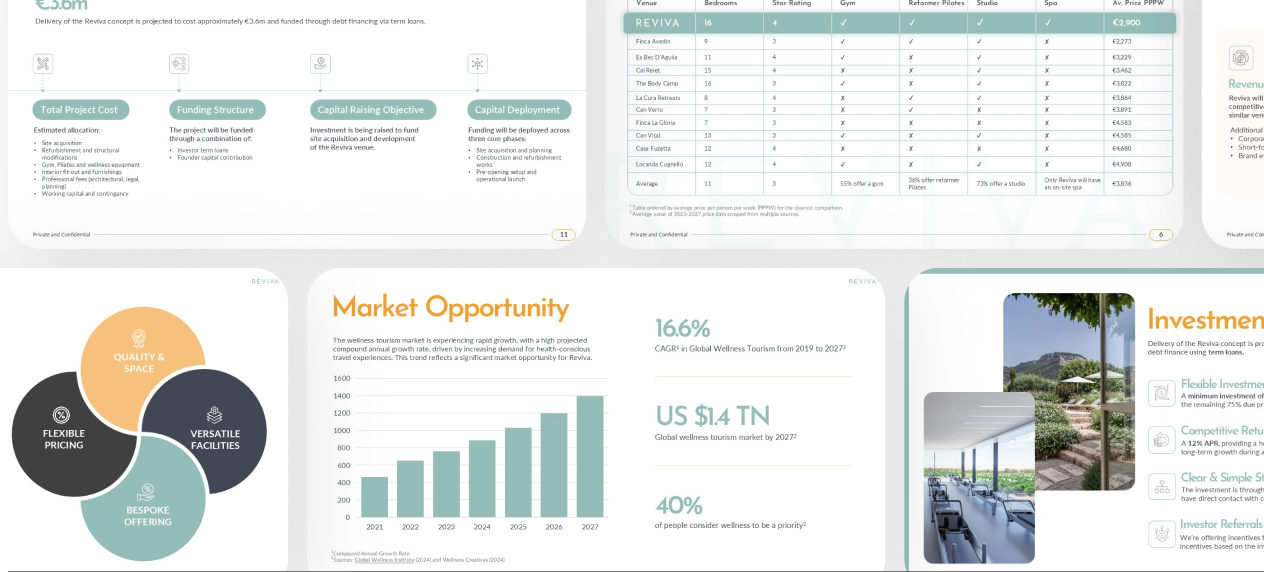
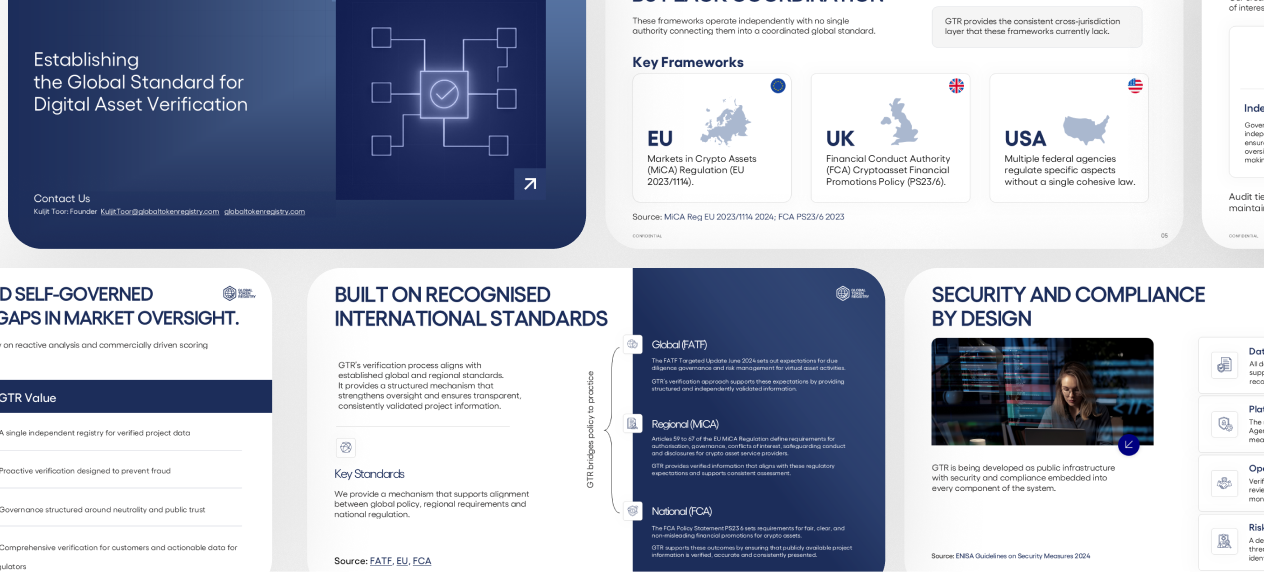
Wealth Management Client Review Deck
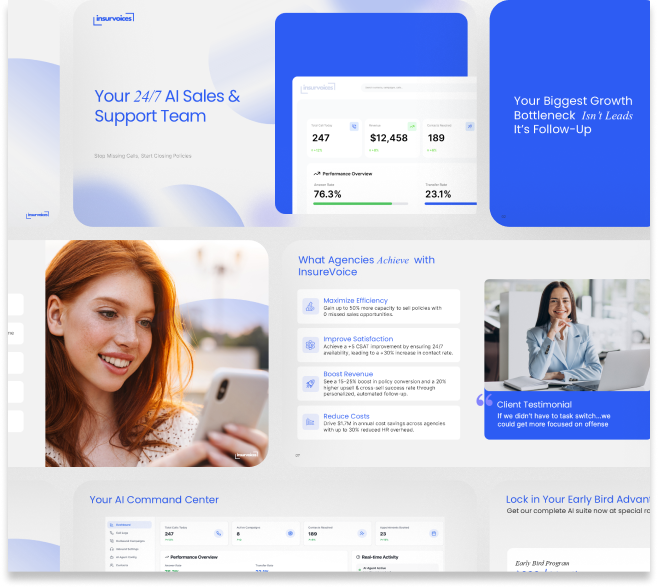
Insurance Carrier Board Presentation
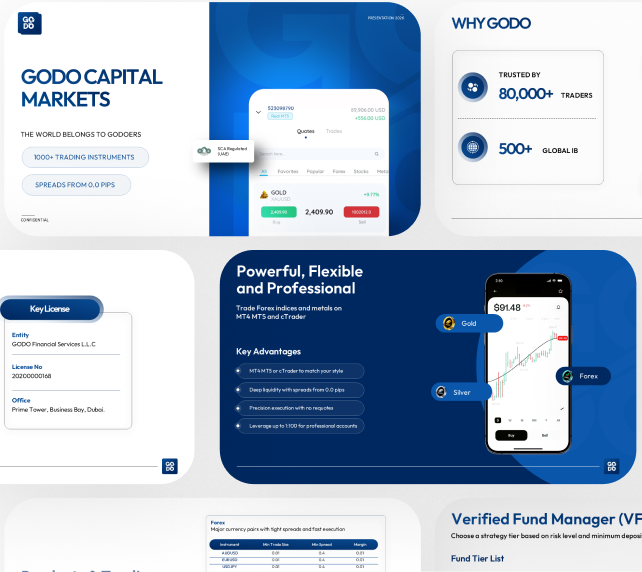
Fintech Series C Fundraising Deck
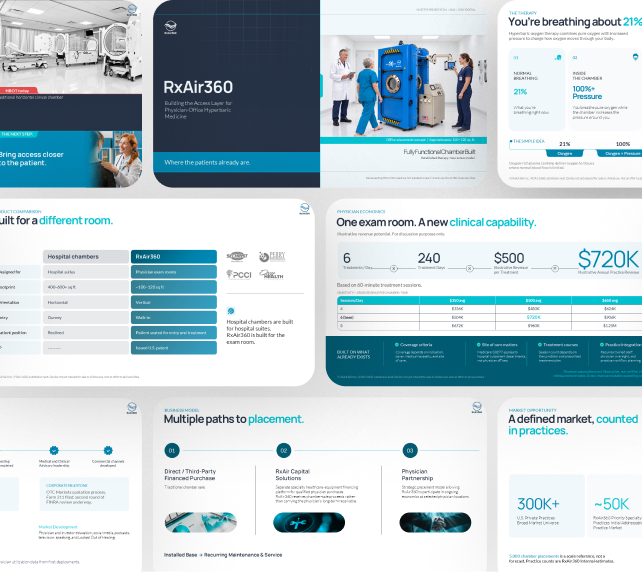
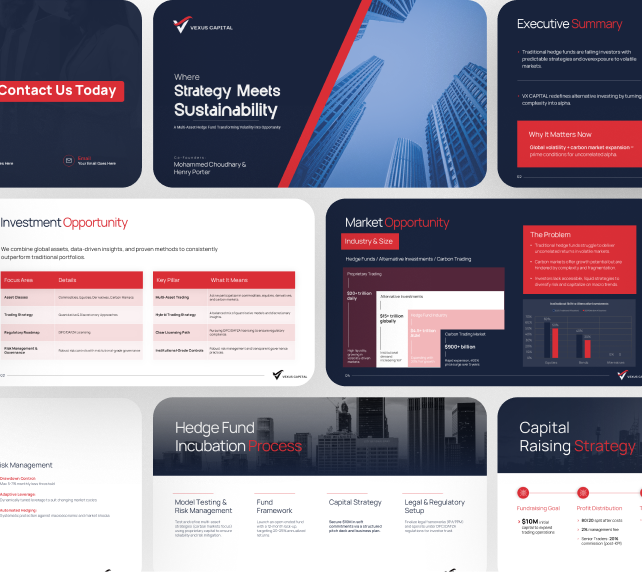
What Separates Financial Presentation Design From Generic Slide Work
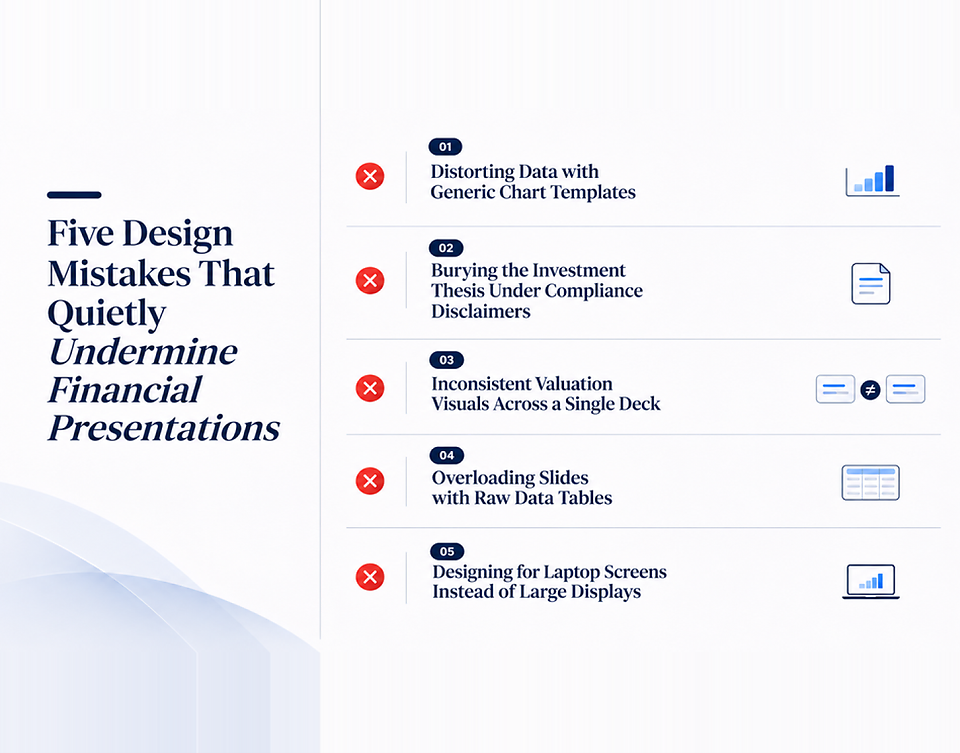
Five Design Mistakes That Quietly Undermine Financial Presentations
Financial presentations can lose impact even when the figures are correct. Poor layout can hide the point, confuse readers or weaken trust. These are five common issues The Story Flo regularly finds in decks from internal teams or generalist agencies working without financial services presentation design experience.
Distorting Data Through Generic Chart Templates
PowerPoint and Excel defaults rarely suit financial charts. Leaving axis scales, interval markers, and baselines untouched can mislead readers; a truncated revenue chart may make 3% growth look like 30%. In investment banking pitchbook design, that error can trigger serious SEC scrutiny in public offerings.
Burying the Investment Thesis Under Compliance Disclaimers
Legal notes and risk warnings need to be on the slides, but they should not take attention away from the main point. When they use large text or strong colours, readers may focus on the warnings instead of the investment case. In M&A presentation design, the placement of these notes matters just as much as their wording. A clear pitch deck design keeps the investment thesis easy to follow while giving legal notes and risk warnings their proper place.
Inconsistent Valuation Visuals Across a Single Deck
Imagine one slide showing a company value of $450 million and another putting it at $380 million. Both figures may come from different valuation methods, but the difference needs to be explained. Otherwise, investors may wonder which figure they should trust and whether the analysis is sound.
Overloading Slides With Raw Data Tables Instead of Visualized Insights
A table with all of the information in Excel on a slide is very seldom effective in communicating the key message. It will take only 90 seconds for a board member to read, so 30 rows of figures can be hard to follow. Present key results in a chart, and include detailed numbers in the appendix.
Designing for Laptop Screens When the Presentation Happens on an 85-Inch Display
Slides must be legible in the space where they will be displayed. The lines on thin charts may not show up on the projector, text may be faint or not visible from the back of the room, and small footnotes may not be readable from the back of the room. Review the presentation slides on a large screen before the presentation.
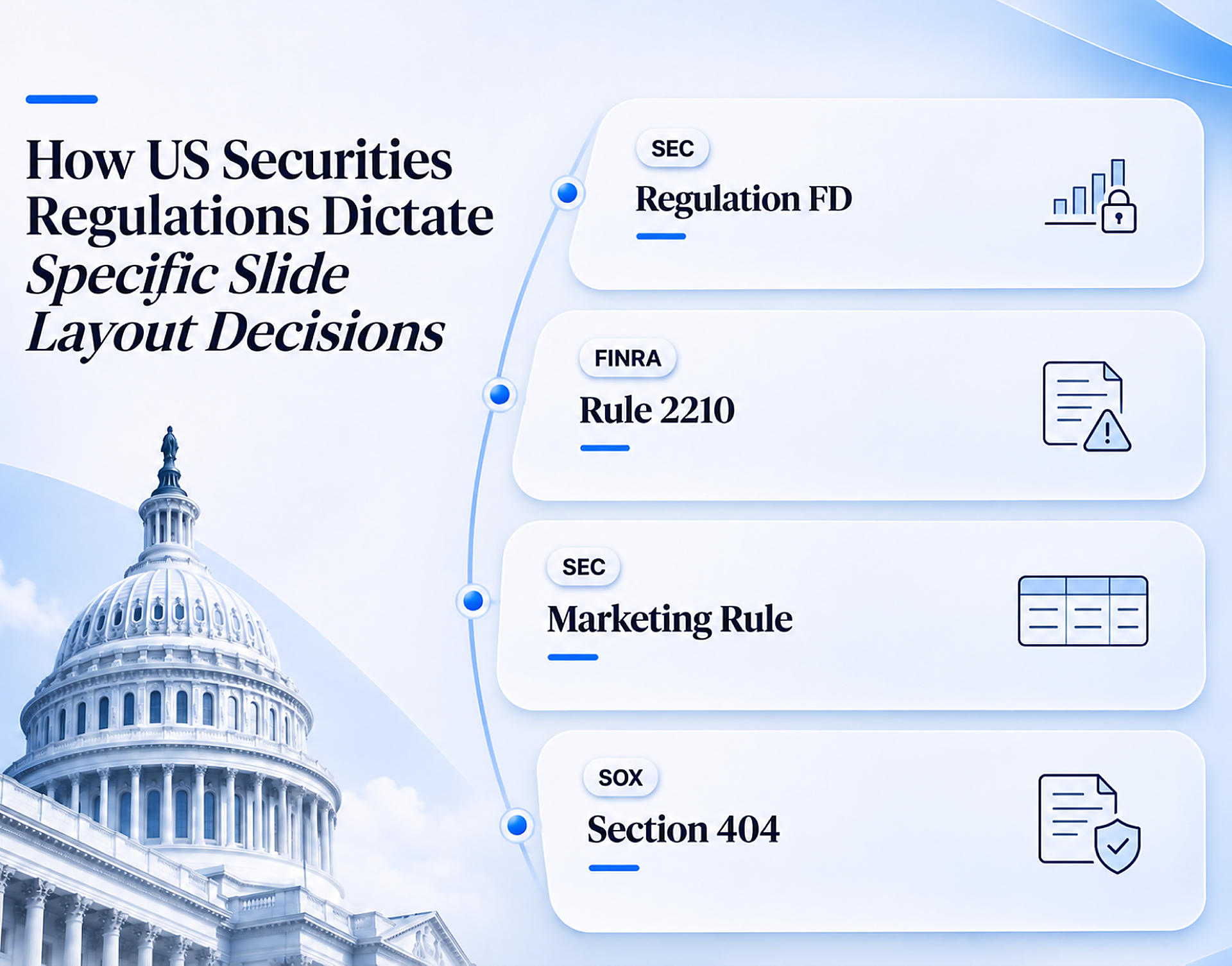
How US Securities Regulations Dictate Specific Slide Layout Decisions
US financial presentations must follow rules that affect how information appears on slides. These rules can change where figures are placed, how charts are shown, and which disclosures need attention. Four regulations are particularly important when preparing financial presentations: Regulation FD, FINRA Rule 2210, the SEC Marketing Rule, and Section 404 of the Sarbanes-Oxley Act. Designers need to understand these requirements before working on a financial deck.
SEC Regulation FD and Chart Scaling Liability
Regulation FD requires companies to share material information with investors fairly rather than giving selected investors an advantage. It also affects how financial information is presented. For example, a chart with a cut-off vertical axis can make a small decline in revenue or margins look much larger than it really is. The scale should reflect the actual change in figures instead of making a result appear worse or better than it is. The team must also ensure that only approved information appears in the investment banking presentation design.
FINRA Rule 2210 and Risk Disclosure Prominence
FINRA Rule 2210 requires broker-dealer communications to be fair and balanced. If a slide highlights an 18% return in large, colourful text, the risks should receive enough attention too. Placing an important risk disclosure in 8-point light grey text at the bottom of a slide makes it difficult to read. Corporate finance pitchbook design should give returns and their risks clear, readable placement so investors can understand both sides.
SEC Marketing Rule and Performance Table Layout
The SEC Marketing Rule changed how investment advisers present performance figures. Net returns should lead the performance table, with gross returns shown alongside them where required. This differs from the pre-2021 convention, when firms often gave gross returns more attention. Hypothetical results also need a clear label so readers do not mistake them for actual performance. Investment management presentation design should make net figures easy to find and keep the related disclosures close to the performance data. Good investor presentation design also makes it easier for readers to compare performance figures and understand the information behind them.
Sarbanes-Oxley Section 404 and Data Source Attribution
Section 404 of the Sarbanes-Oxley Act deals with a company's internal controls over financial reporting. For board presentations, figures should be easy to check against the company's records and an audited source. Financial modeling presentation design can help by placing source notes, reporting dates and references beside the relevant figures. This level of SOX-related internal control reporting is not required in the same way for companies in non-regulated industries, although other financial reporting obligations may still apply.
Investment Levels for Specialist Financial Presentation Design
The cost depends on the work involved. Financial presentations often include detailed figures, strict reporting rules, and deadlines that can change at short notice. Our prices cover the design work, file delivery, and agreed support, so you know what is included before the project starts. No hidden fees.
Frequently Asked Questions
Planned projects usually take five business days. For live deals, financial presentation design services can also be arranged within 24–48 hours. Weekend and holiday support may be available for urgent transactions. Rush requests are confirmed during the first call, depending on the team's availability.
Client files are handled under a mutual NDA signed before any documents are shared. The stated security process uses US-based encrypted servers and SOC 2 Type II-compliant file transfer protocols. Project data is deleted within 30 days of completion, and team members receive annual training on financial data handling.
Yes. The team can work with your firm's existing PowerPoint template and brand rules. This includes corporate colours, fonts, logo placement, and disclaimer positions. For banking pitch deck design, the aim is to keep every slide in line with your firm's approved format.
Revision limits depend on the service you choose. Single Deck projects include two rounds of revisions. Deal Suite and Retainer clients can request changes throughout an active deal. Urgent updates during negotiations are usually handled within 2–4 hours, subject to the team's availability.
Designers assigned to financial projects have at least three years of experience working with US financial institutions. The team includes former investment banking analysts, Big Four consultants, and investor relations professionals who are familiar with financial terms, valuation methods, and deal deadlines.
Yes. The team works with US and international reporting requirements, including US GAAP, SEC, NYSE, NASDAQ, IFRS, EU Prospectus Regulation, LSE, and HKEX. Financial services presentation design can include dual-currency charts, country-specific disclaimers, and terminology suited to different markets within one deck.
Your Next Deal Deserves a Presentation That Closes It
Investors, boards and business partners judge more than your figures. They also notice how clearly you present your thinking. Our financial services presentation design team can help you put that message across. Book a strategy call to discuss your project, timeline and requirements before making a decision.